What are veneers and how long do they last?
If you’ve ever looked in the mirror and wished your teeth were a little straighter, whiter or more even, you’ve probably come across veneers as a possible solution. But what are veneers exactly, and how do you know if they’re the right option for you?
At Smile Perfections in Oadby, Leicester, our principal dentists Dr Juttes Pallipatt (GDC No. 104499) and Dr Pratima Pallipatt (GDC No. 101258) have years of experience helping patients transform their smiles with veneers. In this guide, we’ll explain everything you need to know — from the different types available to how they’re fitted, how long they last and how to look after them.
So, What Are Dental Veneers?
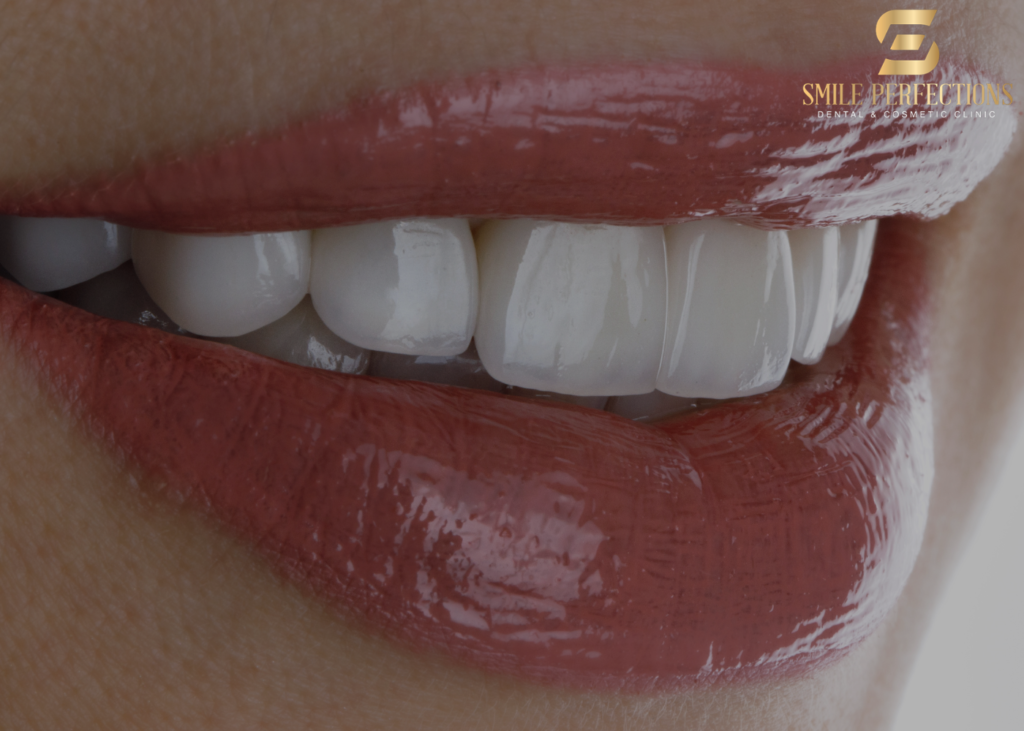
Let’s start with the basics. What are dental veneers? In simple terms, they are thin, custom-made shells that are bonded to the front surface of your teeth. They’re designed to improve the appearance of your smile by changing the colour, shape, size or length of your teeth.
Veneers are one of the most popular cosmetic dental treatments in the UK, and for good reason. They can address a whole range of concerns, including:
- Discoloured or stained teeth that don’t respond to whitening
- Chipped or worn-down teeth
- Uneven, misaligned or irregularly shaped teeth
- Small gaps between teeth
- Teeth that appear too short or too small
The beauty of veneers is that they offer a relatively conservative approach to changing your smile. Compared to crowns, for example, veneers typically require less removal of your natural tooth structure while still delivering a dramatic improvement in appearance.
The Two Main Types: Porcelain vs Composite Veneers
When patients ask us what are veneers made from, the answer usually leads to a conversation about the two main options: porcelain and composite resin. Understanding the differences between porcelain vs composite veneers is important, because each type has its own strengths and is suited to different situations.
Porcelain Veneers
Porcelain veneers are made from high-quality dental ceramic. They are custom-crafted in a dental laboratory based on impressions or digital scans of your teeth. This means each veneer is designed to fit your tooth precisely and to match the natural colour and translucency of your existing teeth.
How they work: The process usually takes two to three appointments. During the first visit, your dentist will prepare the tooth by removing a thin layer of enamel — typically around 0.5mm. This creates space for the veneer to sit flush with your other teeth. An impression is then taken and sent to the laboratory. You’ll wear temporary veneers while your permanent ones are being made. At the second appointment, the veneers are carefully bonded to your teeth using dental cement.
Key benefits of porcelain veneers:
They are highly durable and can last 10 to 20 years or more with proper care. Porcelain is naturally stain-resistant, so your veneers will keep their colour well over time. The material also mimics the light-reflecting properties of natural enamel, which gives a very realistic appearance.
Things to consider:
Porcelain veneers do require some enamel removal, which means the process is irreversible. They also tend to cost more than composite veneers, and if one chips or breaks, it will need to be replaced entirely rather than repaired.
Composite Veneers
Composite veneers — sometimes referred to as composite bonding — are made from tooth-coloured resin material that is applied directly to your teeth and shaped by hand by your dentist. This is often done in a single appointment.
How they work: Your dentist applies the composite resin in layers directly onto the tooth surface, sculpting it to achieve the desired shape and appearance. A special curing light is used to harden each layer. The veneer is then polished to a smooth, natural-looking finish.
Key benefits of composite veneers:
They can usually be completed in one visit, making them a quicker option. They are also more affordable than porcelain veneers and require little to no removal of your natural tooth enamel, which means the process is often reversible. If a composite veneer chips or wears down, it can usually be repaired rather than replaced.
Things to consider:
Composite veneers are not as strong as porcelain and may not last as long — typically around 5 to 7 years, though this varies depending on your habits and how well you look after them. They are also more prone to staining over time, particularly if you regularly consume tea, coffee, red wine or other strongly coloured foods and drinks.
Porcelain vs Composite Veneers: Which Should You Choose?
The choice between porcelain vs composite veneers depends on several factors, including your budget, your goals and the current condition of your teeth. Here’s a quick comparison:
Factor | Porcelain Veneers | Composite Veneers |
Lifespan | 10–20+ years | 5–7 years |
Appointments | 2–3 visits | Usually 1 visit |
Stain resistance | Excellent | Moderate |
Repairability | Must be replaced | Can be repaired |
Tooth preparation | Enamel removal required | Minimal or none |
Cost | Higher | More affordable |
Appearance | Highly natural | Natural, though may dull over time |
Neither option is universally “better” — it really comes down to what’s right for you. During a dental check-up at our practice, we’ll assess your teeth, talk through your expectations and help you decide which type of veneer suits your needs.
What Happens During a Veneer Consultation?
A good consultation is the foundation of a good result. When you visit Smile Perfections for a veneer consultation, here’s what you can expect:
- A thorough examination. We’ll check the overall health of your teeth and gums first. Veneers are a cosmetic treatment, but they need to be placed on a healthy foundation. If there are any issues like decay or gum disease, these will need to be addressed before we proceed.
- A conversation about your goals. We want to understand what you’re hoping to achieve. Are you looking to correct one or two teeth, or are you thinking about a full smile makeover? Do you want a natural look, or are you after something brighter? These details matter, and we take time to listen.
- Treatment options explained clearly. We’ll explain what are dental veneers able to do for your specific situation and whether they’re the best option for you. Sometimes, other treatments like teeth whitening or Invisalign may be more appropriate — and we’ll always be upfront about that. Our goal is to give you the best outcome, not to push a particular treatment.
- Digital imaging and planning. Where appropriate, we use digital tools to show you a preview of what your new smile could look like before any work begins. This helps you feel confident about going ahead.
Are Veneers Right for Everyone?
Veneers are suitable for most adults with healthy teeth and gums, but they’re not always the ideal solution. You might not be a good candidate for veneers if:
- You grind or clench your teeth (bruxism), as this can damage veneers over time. In some cases, a night guard can help protect them.
- You have significant tooth decay or gum disease that needs treatment first.
- You have very little enamel remaining, which can make bonding difficult.
- You’re looking to correct severely misaligned teeth, where orthodontic treatment like Invisalign might be a better starting point.
This is exactly why a proper assessment matters. At your dental check-up, we’ll be honest about whether veneers are the right path for you.
Looking After Your Veneers
One of the most common questions we hear is: “How do I look after my veneers once they’re fitted?” The good news is that caring for veneers isn’t complicated — it’s largely the same as looking after your natural teeth.
- Brush twice a day with a non-abrasive fluoride toothpaste. Abrasive toothpaste can scratch the surface of veneers over time, particularly composite ones.
- Floss daily. Veneers cover the front of your teeth, but the areas between your teeth still need attention to prevent decay and gum problems.
- Avoid biting hard objects. Don’t use your teeth to open packaging, bite your nails or chew on pens. This applies whether you have veneers or not, but it’s especially important for protecting your investment.
- Be mindful of staining. If you have composite veneers, try to limit your intake of heavily pigmented foods and drinks, or rinse your mouth with water after consuming them.
- Attend regular check-ups. Routine dental check-ups allow us to monitor the condition of your veneers and catch any potential issues early.
- Wear a mouthguard if needed. If you play contact sports or grind your teeth at night, a custom mouthguard can protect both your veneers and your natural teeth.
How Much Do Veneers Cost?
Cost is understandably an important consideration. The price of veneers varies depending on the type (porcelain or composite), the number of teeth being treated and the complexity of the case.
As a general guide in the UK, composite veneers tend to start from around £150 to £400 per tooth, while porcelain veneers typically range from £500 to £1,000 or more per tooth. These figures can vary between practices and regions.
At Smile Perfections, we provide a clear, itemised treatment plan with costs before any work begins. There are no hidden fees, and we’re happy to discuss payment options to make treatment more accessible.
Why Choose Smile Perfections for Your Veneers?
Our practice in Oadby, Leicester, is led by Dr Juttes Pallipatt and Dr Pratima Pallipatt, both of whom are registered with the General Dental Council and have extensive experience in cosmetic and restorative dentistry. We take a personalised approach to every patient, ensuring you receive treatment that’s tailored to your individual needs and expectations.
We also offer sedation options for patients who feel anxious about dental treatment. If nervousness has been holding you back from improving your smile, we can help make the experience as comfortable as possible.
Whether you’re considering porcelain veneers, composite bonding or you’re simply not sure where to start, we’re here to guide you through every step.
Patients frequently ask
Veneers are thin shells that cover only the front surface of a tooth, while crowns encase the entire tooth. Veneers are typically used for cosmetic improvements, whereas crowns are often recommended when a tooth is heavily damaged or weakened. Because veneers require less tooth preparation, they are generally considered a more conservative option when the underlying tooth is healthy.
When placed by a qualified dentist, veneers should not damage your teeth. Porcelain veneers do require a small amount of enamel to be removed, which is irreversible, but this is done carefully and conservatively. Composite veneers often require little to no enamel removal at all. The key is choosing an experienced dental professional who will prioritise preserving as much of your natural tooth structure as possible.
The lifespan of your veneers depends on the type and how well you care for them. Porcelain veneers typically last between 10 and 20 years, while composite veneers usually last around 5 to 7 years. Good oral hygiene, regular dental check-ups and avoiding habits like nail-biting or teeth-grinding will help extend the life of your veneers.
Yes, you can eat normally with veneers. However, it’s sensible to avoid biting directly into very hard foods like toffee, ice or whole apples with your front teeth, as this can chip or crack the veneer. Cutting harder foods into smaller pieces is a simple habit that can protect your veneers for years to come.
Both types can look very natural when done well. Porcelain veneers tend to have a slight edge in replicating the translucency and depth of natural enamel, which makes them particularly effective for front teeth where appearance is most important. Composite veneers also deliver excellent results, especially for minor corrections, though they may require occasional polishing to maintain their shine. Your dentist can help you decide which material will give you the best result based on your specific situation.
Medical and dental information disclaimer
This article was reviewed by Dr Juttes Pallipatt (GDC No. 104499) and Dr Pratima Pallipatt (GDC No. 101258), principal dentists at Smile Perfections, Oadby, Leicester. For personalised advice about veneers or any other dental treatment, please get in touch with our team.